|
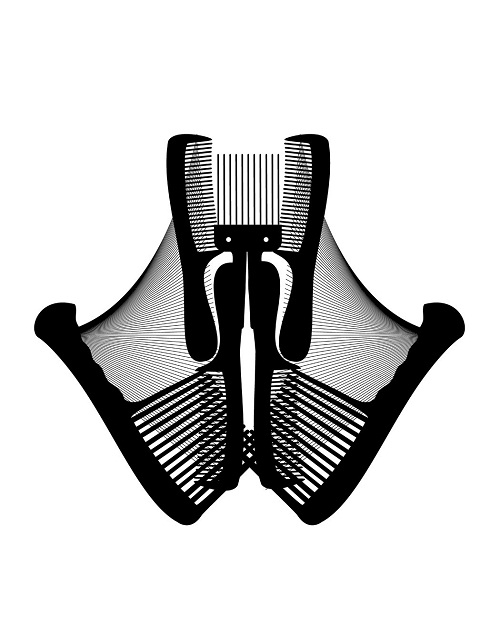
| Margaret Rose Vendryes, Bwa Aretha from the African Diva Project,. Image via MargaretRoseVendryes.com. |
November 29, 2012 - January 25, 2013
Opening reception: Thursday, November 29, 6-8pm
526 West 26th Street
New York, NY
Exhibit overview by Jessica N. Bell:
This cogitation over diaspora as a feeling, a history, or place, is an engagement with the process of mapping an aesthetic connection with home. Dreamed My People Were Calling, and African Diva Project, are exhibitions of visual interventions; pulsations of sorts that capture a deep nostalgia for home shared by some of the most moving artists of the black diaspora. Philanthropist, poet, collector, and curator of the exhibition Daniel Simmons seeks to tie together the ancestral and contemporary forms of artisans of African descent. The title of the exhibition is taken from the title of Simmons' book of poetry, also aptly titled I Dreamed My People Were Calling But Couldn't Find My Way Home.
Imo Imeh, Sol Sax, and Margaret Rose Vendryes are uncovering the inexplicit narratives of place, emotion, and cultural memories lived and imagined. In this sense, the artists are rendering an aesthetic conundrum of separation as connectedness. How are black diaspora artists constructing notions of home in their works? The return home does not only suggest travel back to the metropole, but in art practice suggests expressions of a particular consciousness of home rooted in diaspora. The narratives of the black diaspora are ones associated with trauma, loss, and fissure, but are also complicated with acts of agency, exultation, and celebration. Imeh, Sax, and Vendryes use their practices to draw upon influences in African visual and material culture, and in turn, map connections to the lived experience of blacks on either side of the Atlantic.
Imo Imeh’s large scale figurations of black females, which he refers to as “fattened brides”, weave together stories of Ibiobio folklore and histories of racial violence and lynching practices in19th century America. Imo’s brides, bewildering as they are beautiful, connect viewers to the ritual of mbopo, a ceremony in which young women in Ibiobioland Nigeria are secluded in “fattening houses.” It is in these structures that the brides undergo “corporeal modification”, and are transformed into beautifully adorned and powerful beings, learning the secrets of womanhood and childbirth. Imeh’s paintings encapsulate a compelling visual language that reconfigures symbols of beauty, trauma, and power.
Similarly, the artistic practice of Sol Sax conveys a concern with language as a means to reconnect distinct culturalisms of African Americans and Yoruba, Bantu, and other spiritual forms rooted in West and Sub-Saharan Africa. His sculptures and assemblages of found objects, milk crates, and ceramics almost move towards an aesthetic of black diaspora iconography and idolatry; they are hybrid structures fusing together spirituality, wordplay, and history. Sol appropriates the accoutrement of the built environment, cinder blocks, baseball bats, tennis balls, and water cans, among many other things, to convey hybrid narratives infused with elements of hip hop and diasporic folklore. His objects articulate the language of separateness as connectedness. They reside like shrines in a domicile of dislocation.
In Margaret Rose Vendryes’ African Diva Project, powerful black female icons don masks of regal deities and ancestors. Appropriated from the album covers of singers like Diana Ross, Betty Davis, Lena Horne, and Cassandra Wilson among others, Vendryes has allowed her figures to reclaim their agency, dismantling Western ideals of beauty, confronting the viewer with their strength, sexuality, and confidence. Vendryes’ work is as invigorating as it is intentional; there is a distinct historical lineage of the objectification female bodies, and in particular black female bodies. From the life of Saartjie Baartman, to Picasso’s landmark painting Les Desmoiselles d’Avignon, to contemporary presentations of black women in music videos and magazines, Vendryes’ visual expressions counter the historical representational modality of corporeal blackness and femaleness. Her women assert their agency by reaching back to an ancestral past.
Imeh, Sax, and Vendryes are within the great company of artists like Aaron Douglass, Elizabeth Catlett, and Thornton Dial, who have long established ways to re-envision a spiritual, emotional, and historical engagement with diaspora. These objects share a historical trajectory of an disinterest in being grounded in any one place. They can only point towards a consciousness of omni-location, a metaphysical space of geographic universality and cultural specificity.